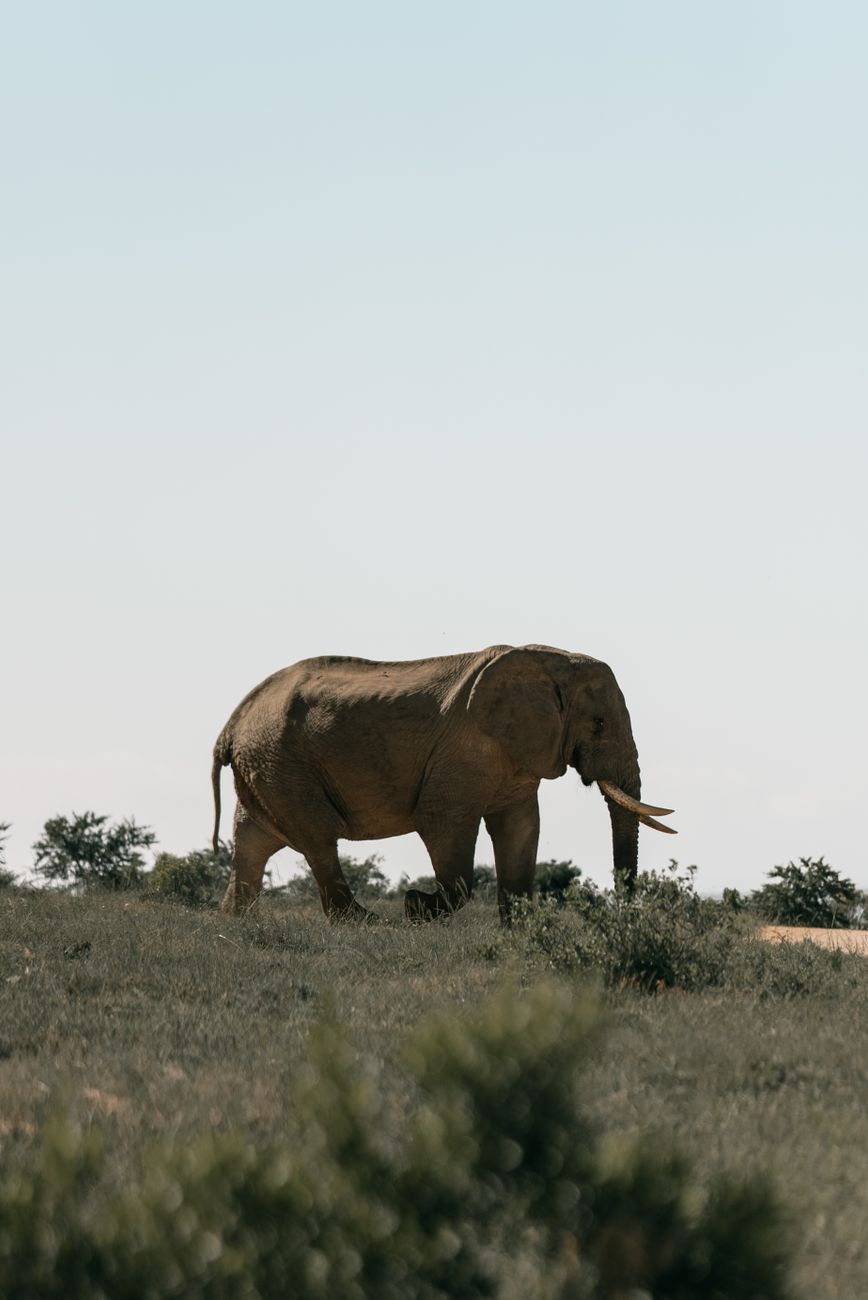
South Africa’s geographical tapestry is famed for its rich biodiversity, but regional advancements, coupled with ongoing weather variations, continue to put extreme pressure on various local species. Conservation teams are now introducing high-tech interventions combined with sustainable regional plans to combat these mounting threats.
The Intersection of Technology and Fieldwork
One primary tool being employed is advanced satellite observation and field sensor arrays. Park rangers can now coordinate live telemetry to track migration pathways and detect security alerts, allowing teams to handle concerns proactively instead of launching delayed reactions. Furthermore, community-centric approaches are helping local farmers construct safe protective boundary lines, keeping critical ecosystems integrated while minimizing human-wildlife encounters.
"The long-term conservation of South Africa's diverse wildlife is heavily reliant on our capacity to involve neighboring communities and support sustainable living standards alongside protective measures."
Sustainable Tourism Models
A crucial part of funding these high-end protection facilities includes the growth of ecologically conscious travel spaces. By ensuring tourism income benefits regional development directly, local populations are becoming the primary defenders of wildlife borders. This structured methodology ensures that wildlife protection matches local social growth, setting up a self-sustaining cycle for years to come.